
Prepare Commercial Sites for Development
Large-scale site work in Beaufort supports commercial and light industrial projects
Your commercial project in Beaufort requires site work that goes beyond basic clearing. When you are preparing land for a retail building, warehouse, or industrial facility, the site must be graded for heavy traffic, utilities must be staged correctly, and timelines must align with contractor schedules. Laffitte Landworks LLC provides the clearing, grading, and utility preparation needed for commercial development throughout the Lowcountry. These projects often involve multiple phases and require coordination with engineers, contractors, and local inspectors to meet deadlines and code requirements specific to Beaufort.
Commercial site work includes large-scale land clearing, precision grading for parking lots and building pads, and preparation for underground utilities like water, sewer, and storm drains. The service is designed for projects where efficiency and professional jobsite management matter as much as the physical work itself. Equipment used on commercial sites is typically larger and faster than residential tools, allowing crews to move significant volumes of earth and vegetation in a compressed timeframe. Pricing and schedules are structured around project milestones rather than single-day tasks.
If you are developing commercial property in Beaufort or managing site work for a contractor, coordinating early keeps your project moving forward.
What Commercial Site Development Involves
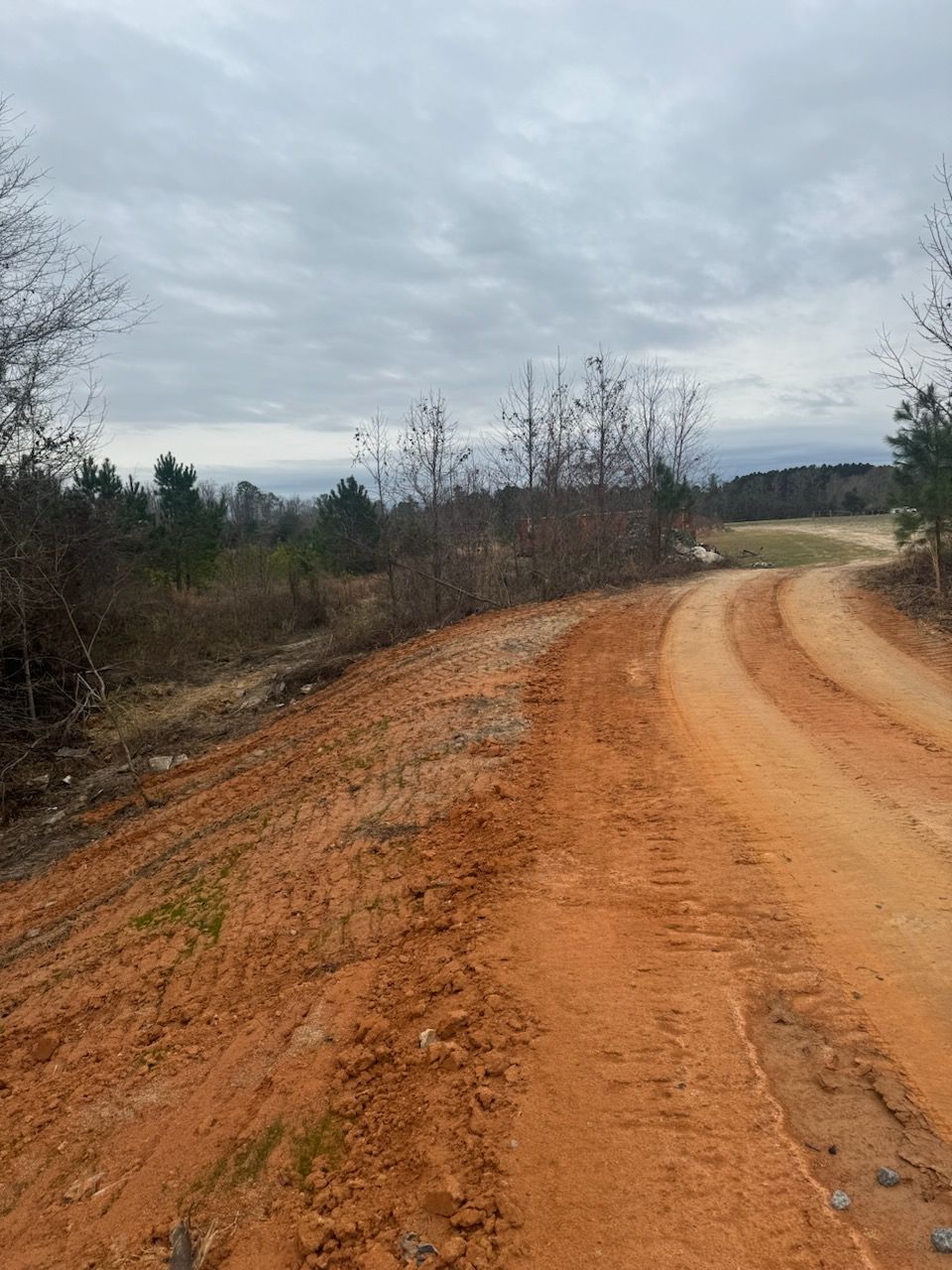
Site development for commercial projects in Beaufort begins with clearing vegetation, removing stumps, and stripping topsoil to expose stable subgrade. Operators then grade the site to match engineered plans, creating level building pads, properly sloped parking areas, and drainage swales that direct stormwater away from structures. Excavators, bulldozers, and compactors work in sequence to shape the land and prepare it for utility installation.
After grading is complete, you will see a site with clearly defined elevations and drainage paths. Laffitte Landworks LLC works with contractors and developers to meet structured timelines and adapt to changes in project scope. The finished site should allow utility crews to trench and install lines without disrupting surrounding grades. Compacted soil in high-traffic areas should support heavy equipment and future pavement without settling.
Commercial site work often includes erosion control measures like silt fencing and seeding to prevent soil loss during construction. The service does not include building construction, paving, or final landscaping, but it sets the stage for those phases to proceed on schedule. Projects that skip thorough site preparation often face delays when drainage problems or unstable soil conditions become apparent later.
Projects Vary and Questions Help Clarify Scope
Developers and contractors working in Beaufort often need specifics about capabilities, timelines, and coordination before committing to site work. These answers address the practical concerns that come up during commercial project planning.
What size projects can be handled for commercial development?
Site work capabilities include projects from small retail pads to multi-acre industrial sites, with equipment and crew sizes scaled to match the scope and timeline of each job.
How does site work coordinate with utility installation?
Grading is completed first to establish final elevations, then utility trenches are cut and backfilled, followed by final grading and compaction in affected areas. Communication with utility contractors prevents rework and delays.
Why does commercial grading take longer than residential work?
Commercial sites require more material movement, stricter tolerances, multiple compaction passes, and coordination with inspectors and engineers, all of which add time compared to smaller residential jobs.
What happens if soil conditions differ from the site plan?
If unsuitable soil is encountered, the project may require deeper excavation, imported fill material, or geotextile fabric to stabilize the subgrade before grading continues.
When should site work begin relative to other construction phases?
Site work should start as soon as permits are approved and before any building contractors mobilize, ensuring a stable, accessible site for all subsequent trades.
Commercial projects depend on thorough site preparation to stay on schedule and within budget. If you are planning development in Beaufort, start the conversation about site work early so grading and clearing align with your construction timeline.