
Get Your Ground Ready for Construction
Professional grading services in Beaufort ensure proper slope and drainage for your site
Your property in Beaufort depends on proper grading before anything else gets built. When rainwater pools near your foundation or driveway edges start to sag, it often traces back to how the ground was shaped before work began. Laffitte Landworks LLC understands that grading is not just moving dirt around, it is about creating a stable base that directs water away from structures and prevents erosion in the years ahead. Homes and buildings in Beaufort sit on Lowcountry soils that respond differently to moisture and compaction than inland sites, which makes precision grading even more important here.
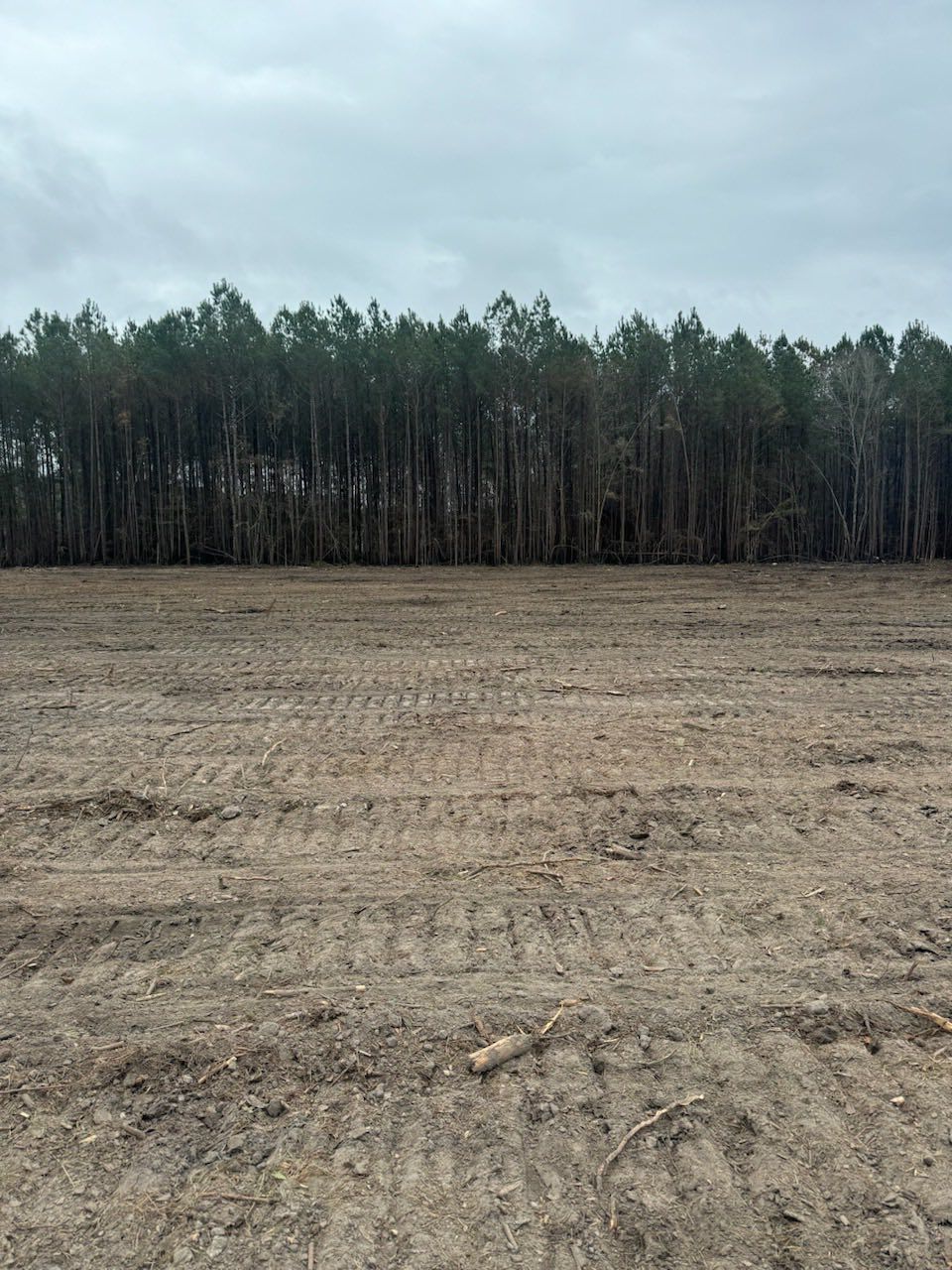
Grading creates the slope and surface needed for proper water runoff. Without it, you risk standing water that weakens foundations, saturates driveways, and makes outdoor spaces unusable after storms. The service involves shaping the earth to match engineered plans or correcting existing grade problems that have developed over time. Equipment moves soil in layers, compacting as needed to create a smooth, stable surface ready for the next phase of construction or landscaping. The goal is a site where water moves predictably away from buildings and paved areas.
If you are preparing land for a new build or fixing drainage problems in Beaufort, grading should happen before other site work begins.
How Grading Protects Your Investment
The work starts with evaluating existing slope and identifying where water naturally flows across your site in Beaufort. Operators use laser-guided equipment to cut high spots and fill low areas, creating gradual transitions that move runoff toward designated drainage points. Soil is compacted in lifts to prevent future settling, especially in areas that will support heavy loads like driveways or building pads.
After grading is complete, you will see a site where water no longer collects in unwanted areas. Laffitte Landworks LLC tailors the grading plan to match Lowcountry terrain and soil conditions, which often include sandy layers and clay pockets that behave differently when wet. The finished surface should feel firm underfoot and show consistent slope when viewed from multiple angles. This sets the stage for stable foundations, well-draining driveways, and outdoor areas that stay dry after heavy rain.
Grading also reduces the risk of erosion during construction by controlling how stormwater moves across exposed soil. The process does not include paving, utility installation, or building construction, but it makes all of those tasks easier and safer. Sites with poor initial grading often require costly repairs later when water damage or settling becomes visible.
Questions About Grading Are Common
Homeowners and contractors in Beaufort often ask similar questions when planning site preparation work. These answers reflect the realities of grading in the Lowcountry and what you should expect during the process.
What determines the final slope of a graded site?
The slope depends on the type of structure being built, local drainage codes, and the natural contours of your land. Most residential sites require a minimum slope of two percent away from foundations to prevent water from moving back toward the building.
How long does grading take for a residential lot?
A typical residential lot in Beaufort can be graded in one to three days depending on size, soil conditions, and how much elevation change is needed. Weather delays can extend the timeline if heavy rain saturates the ground.
Why does grading matter before a driveway gets poured?
Grading creates a stable, compacted base that prevents the driveway from cracking or sinking. Without proper slope, water will pool on the surface or erode the edges over time.
What equipment is used for precision grading?
Operators typically use excavators, bulldozers, and grading boxes equipped with laser or GPS guidance systems to maintain exact elevations across the site.
When should grading happen during a construction project?
Grading should be completed after clearing and before any utilities, foundations, or paving work begins. This ensures a stable surface for all subsequent phases.
Proper grading gives your project a solid start and prevents drainage problems that are expensive to fix later. If your site in Beaufort needs preparation or correction, scheduling grading early keeps the rest of your timeline on track.